clara margais
photojournalist




<
13 - 17
>
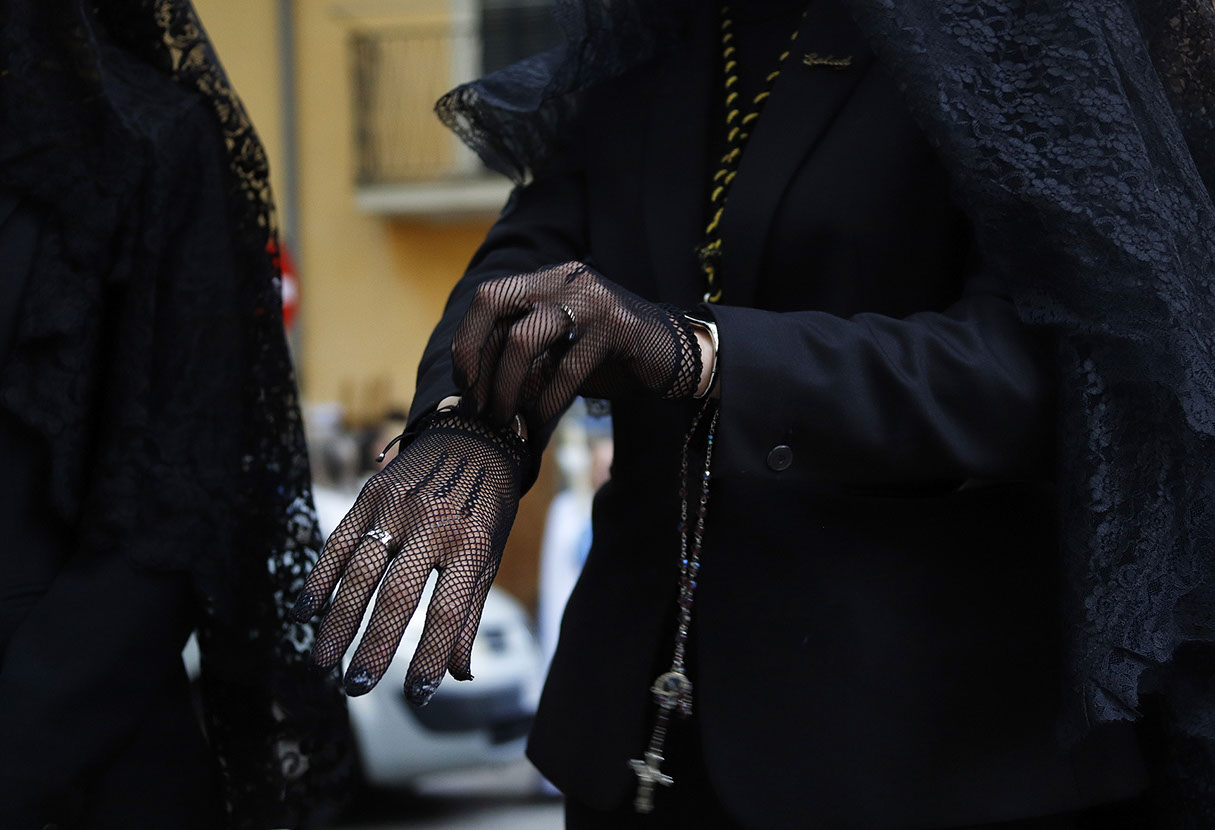
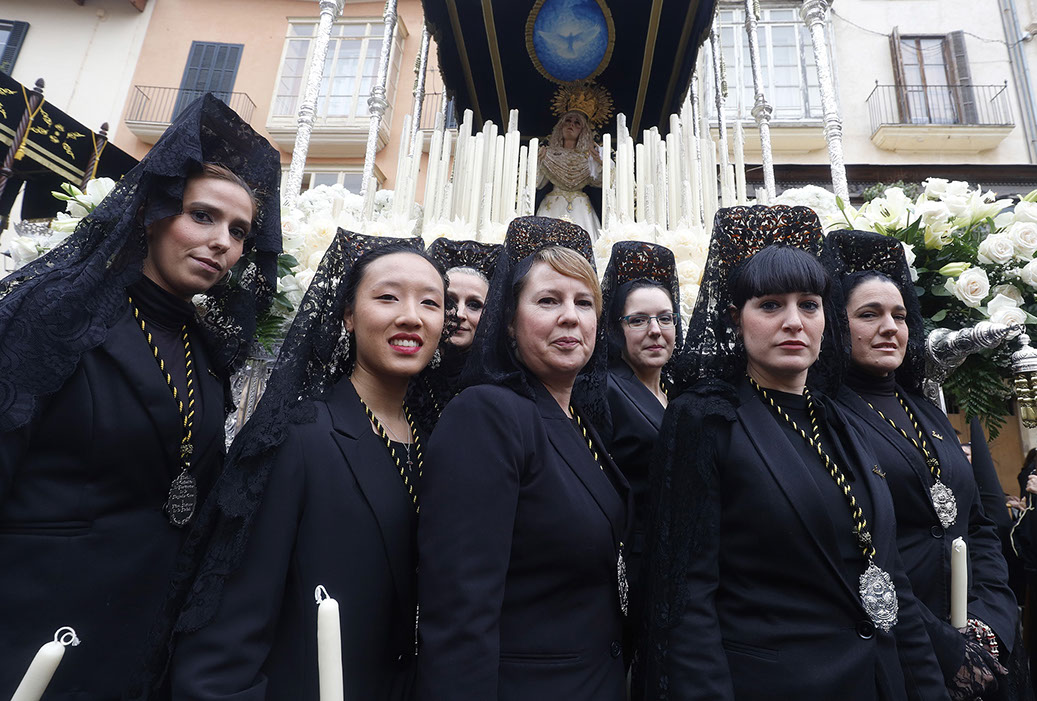
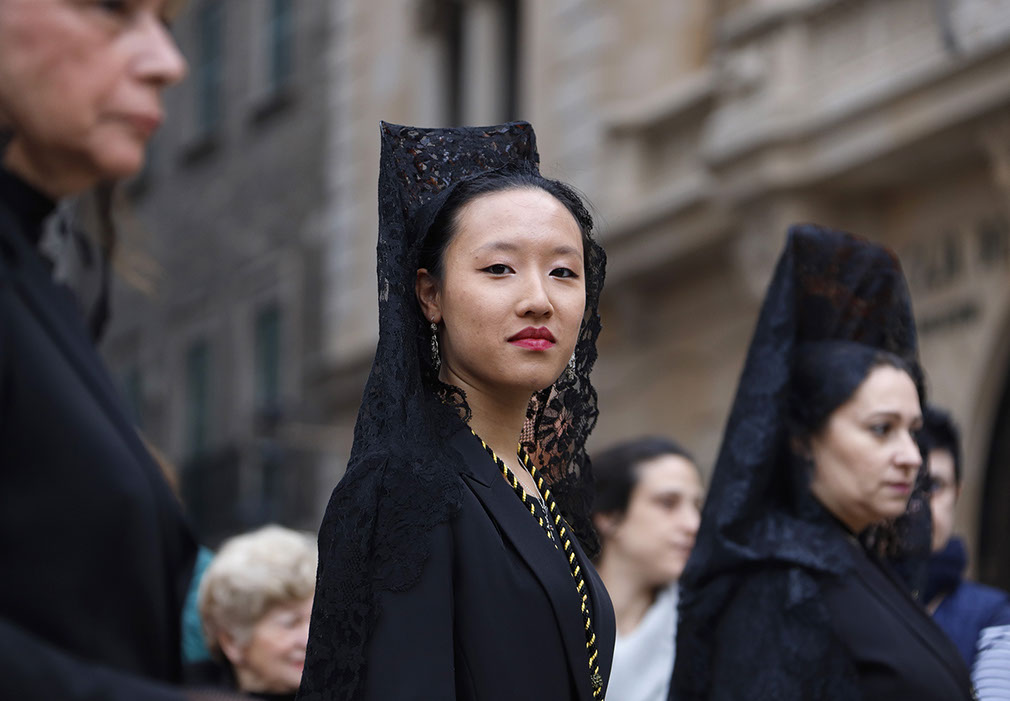
The Manolas represent the mourning women who mourn death and celebrate the resurrection of Christ during the processions of Holy Week in Spain. They follow the procession Christ dressed in dark and wearing traditional Spanish mantilla attire and religious accessories since centuries.
Clara Margais/DPA
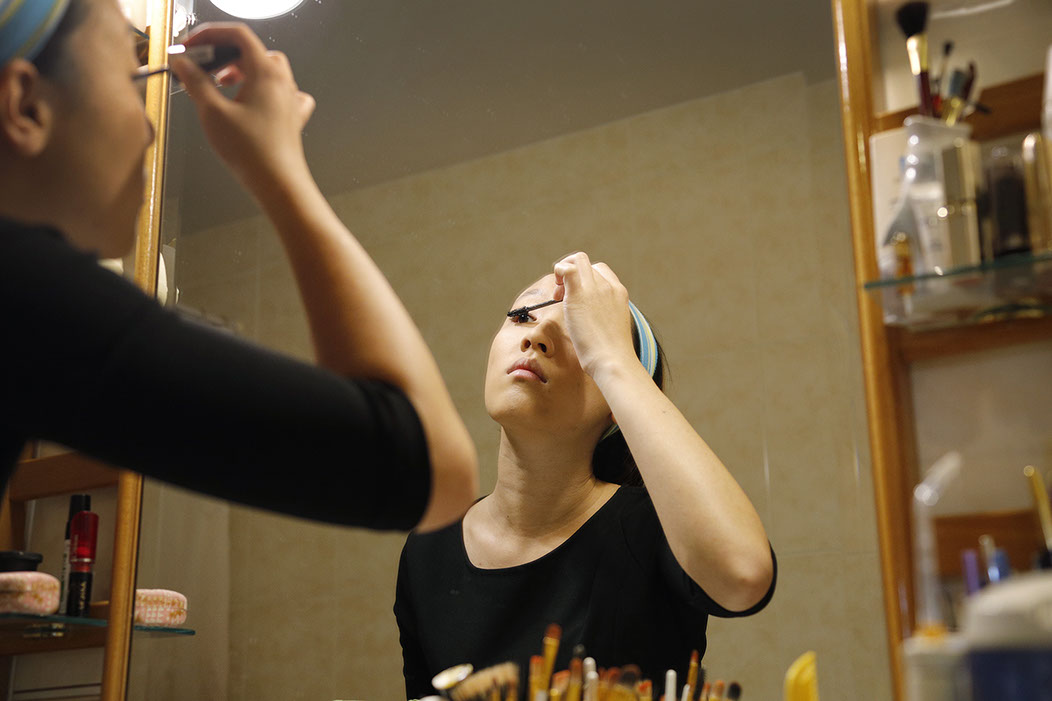
Lucia is 19 years old, was adopted from China when small, is preparing to go to the procession dressed as Manola.The Manolas represent the mourning women who mourn death and celebrate the resurrection of Christ during the processions of Holy Week in Spain. They follow the procession Christ dressed in dark and wearing traditional Spanish mantilla attire since centuries. Clara Margais/DPA
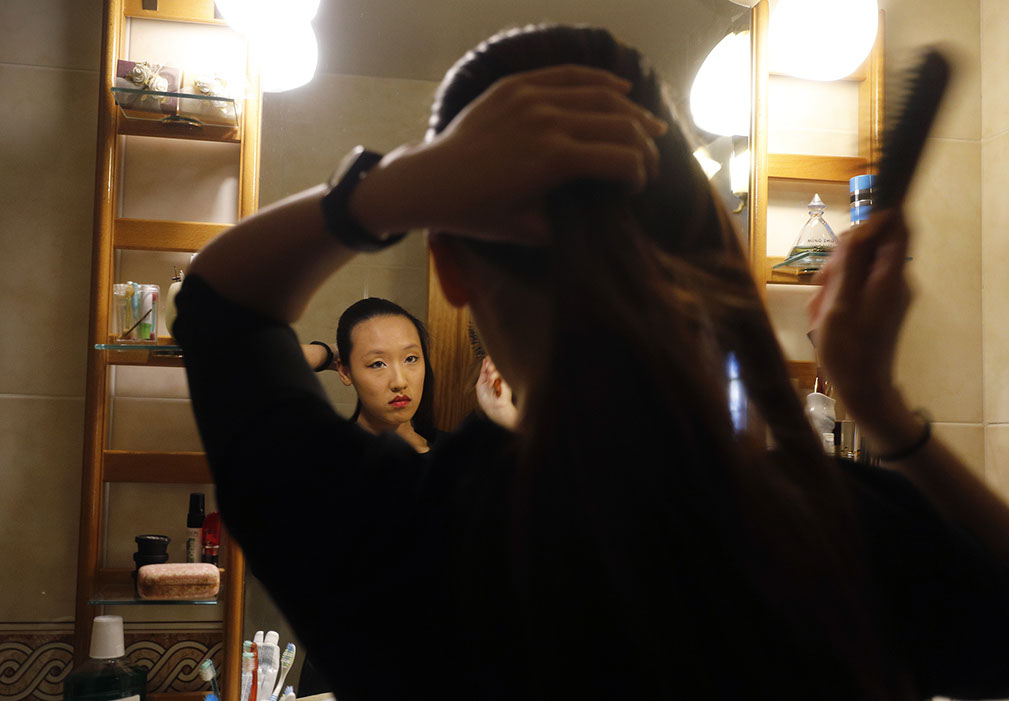
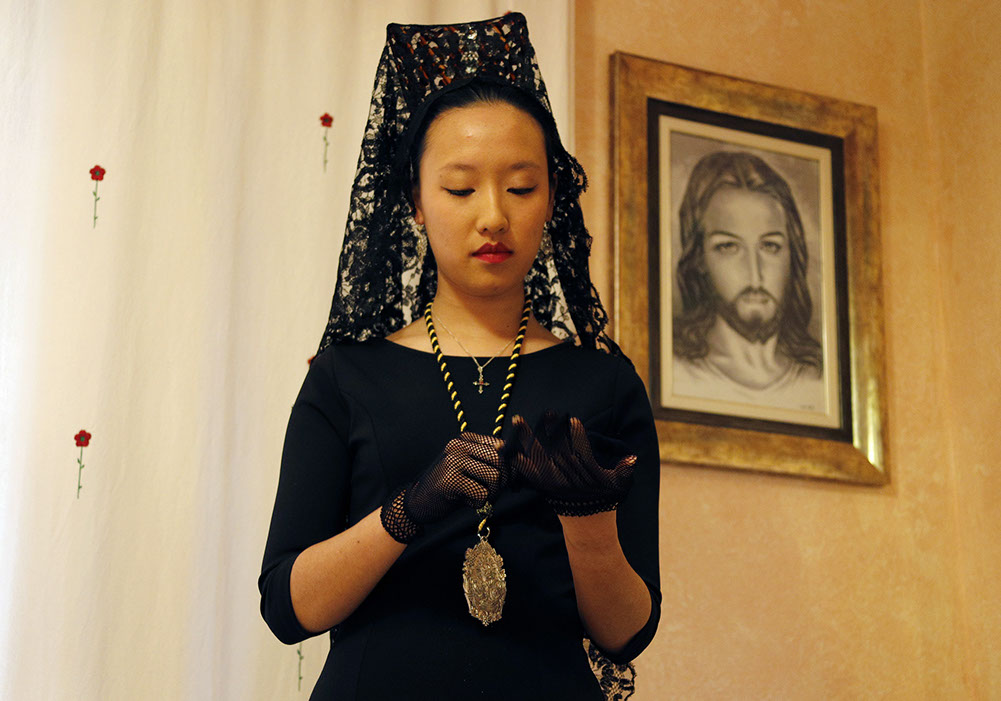
Lucia is preparing to go to the procession dressed as a Manola, the soft make-up and hair pulled back with a low bun is prepared at home during the previous hours to the start of the procession. Three decades ago the women were forbidden to dress as Capirote (penitent) and their only way of participating was Manola, then Manola's dressing tradition began to decline, however in the last few years some young women are once again signing up to this tradition. Clara Margais/DPA
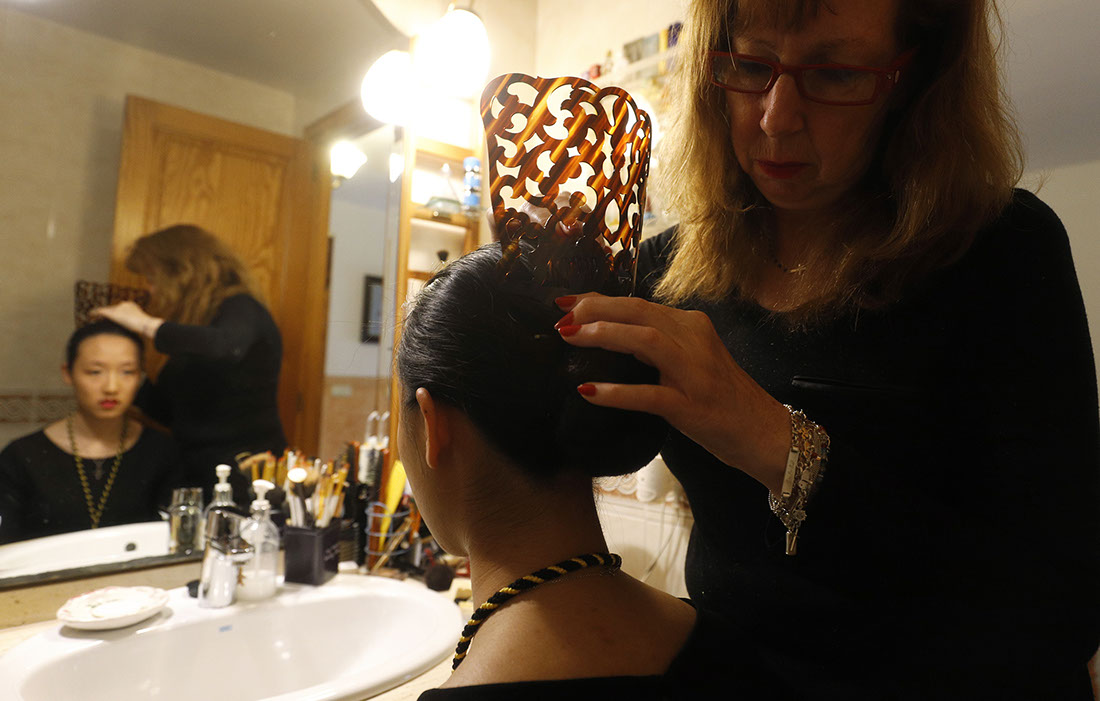
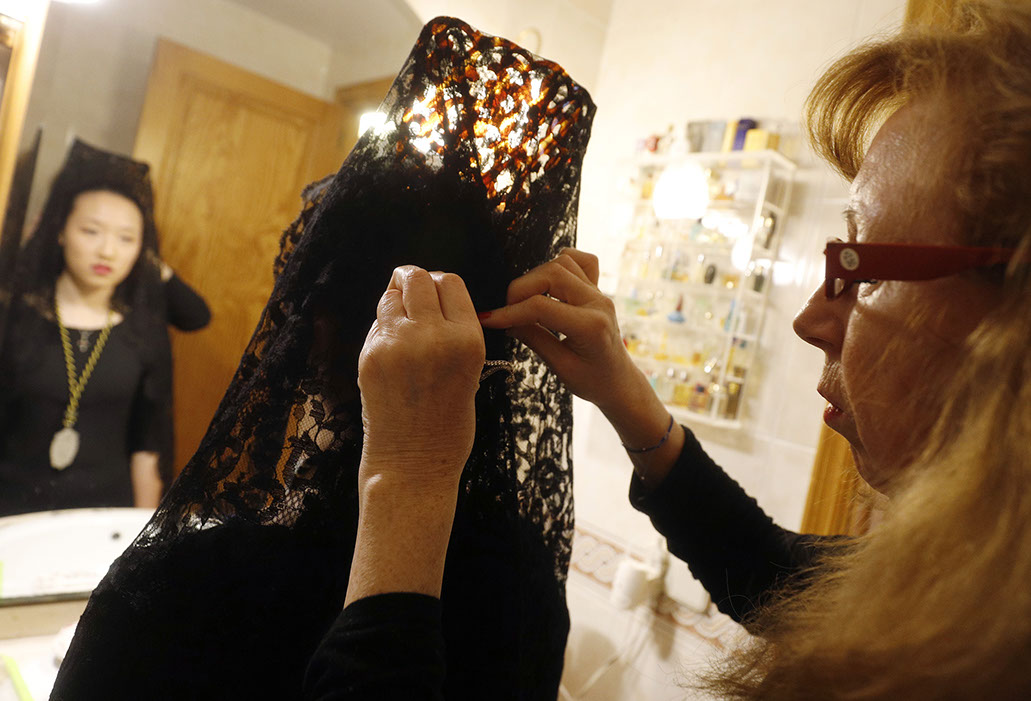
Guadalupe is Lucia's mother, she helps her put on the 'peineta' the main complement of the'mantilla', goes over his head, its purpose is to raise the Mantilla to enhance the face looking. The Manolas represent the mourning women who mourn death and celebrate the resurrection of Christ during the processions of Holy Week in Spain. They follow the procession Christ dressed in dark and wearing traditional Spanish mantilla attire since centuries. Clara Margais/DPA
Guadalupe is Lucia's mother, she helps her put on the 'mantilla' is a silk handmade garment or other ornate fabric that women wear to cover their heads and shoulders. This 'Mantilla' was from Lucia's grandmother. The Manolas represent the mourning women who mourn death and celebrate the resurrection of Christ during the processions of Holy Week in Spain. Clara Margais/DPA
Lucia is preparing to go to the procession dressed as a Manola, the soft make-up and hair pulled back with a low bun is prepared at home during the previous hours to the start of the procession. Three decades ago the women were forbidden to dress as Capirote (penitent) and their only way of participating was Manola, then Manola's dressing tradition began to decline, however in the last few years some young women are once again signing up to this tradition. Clara Margais/DPA
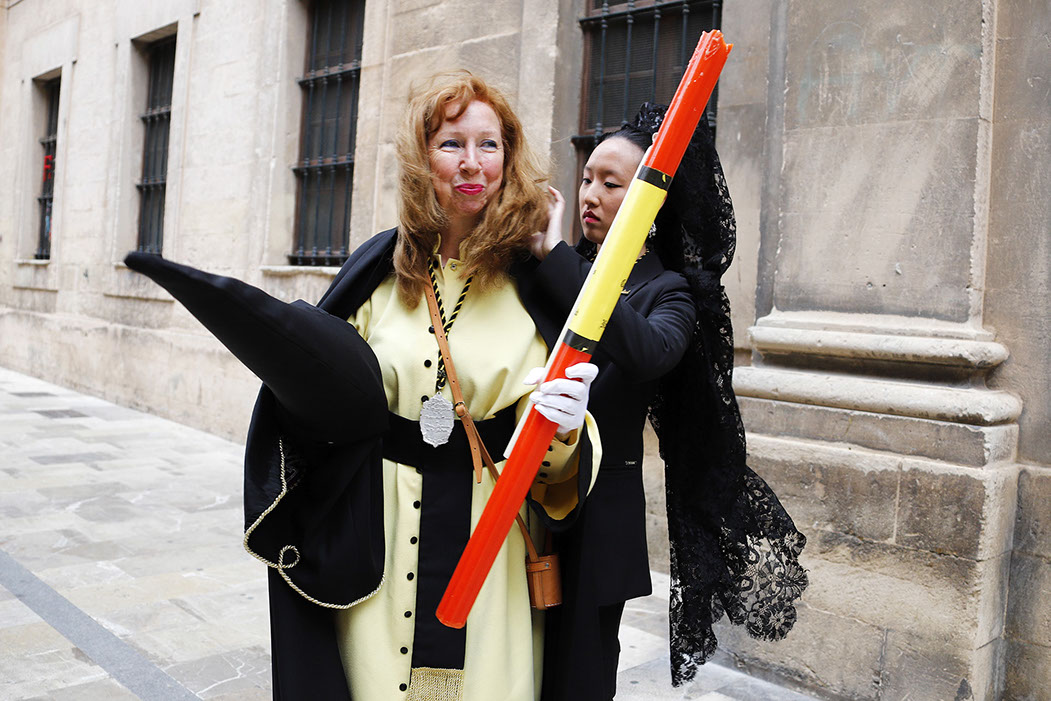
Guadalupe (R) i and Lucia (L) arrives to the procession of Holy Friday in Palma where they both take part. Three decades ago the women were forbidden to dress as Capirote (penitent) and their only way of participating was Manola, then Manola's dressing tradition began to decline, however in the last few years some young women are once again signing up to this tradition. Clara Margais/DPA
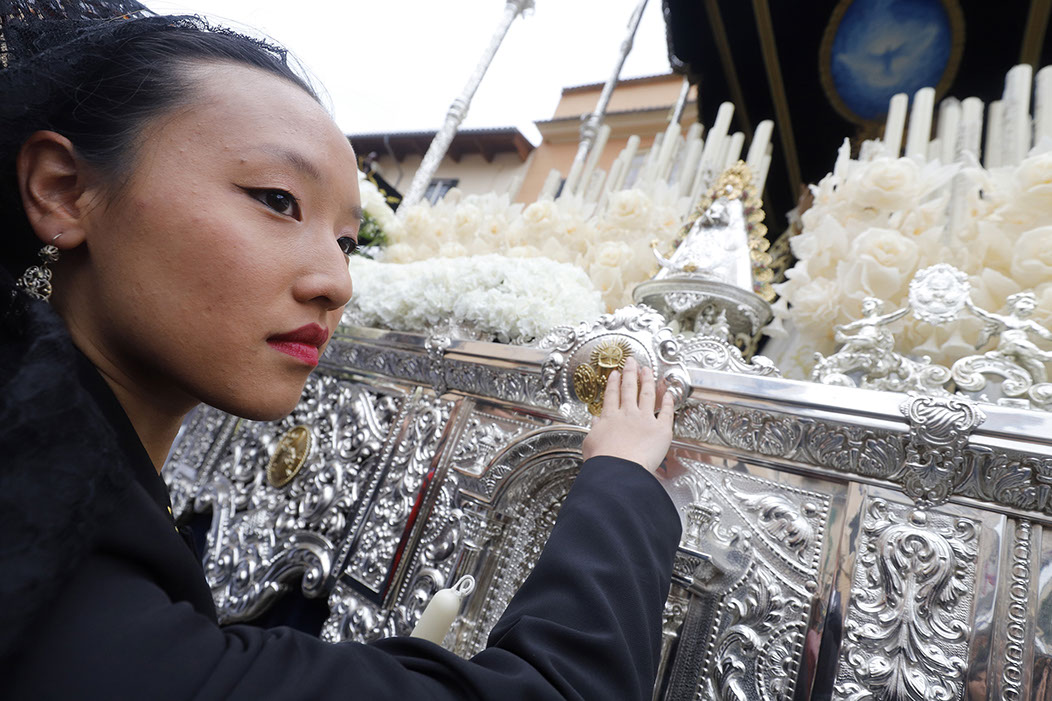
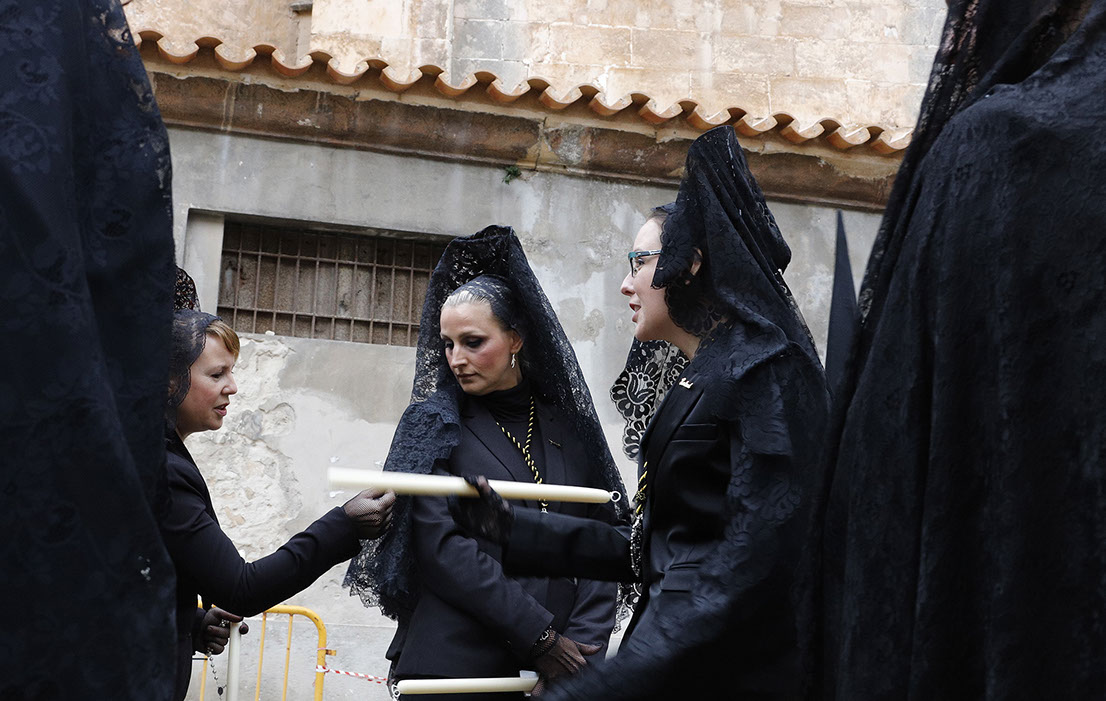
When Lucia arrives to the procession of Holy Friday she first touches the Virgin then she join the other 'Manolas'. The Manolas represent the mourning women who mourn death and celebrate the resurrection of Christ during the processions of Holy Week in Spain. They follow the procession Christ dressed in dark and wearing traditional Spanish mantilla attire since centuries. Clara Margais/DPA
Lucia and the other Manolas pose before the procesion of Holy Friday in Palma. Three decades ago the women were forbidden to dress as Capirote (penitent) and their only way of participating was Manola, then Manola's dressing tradition began to decline, however in the last few years some young women are once again signing up to this tradition. Clara Margais/DPA
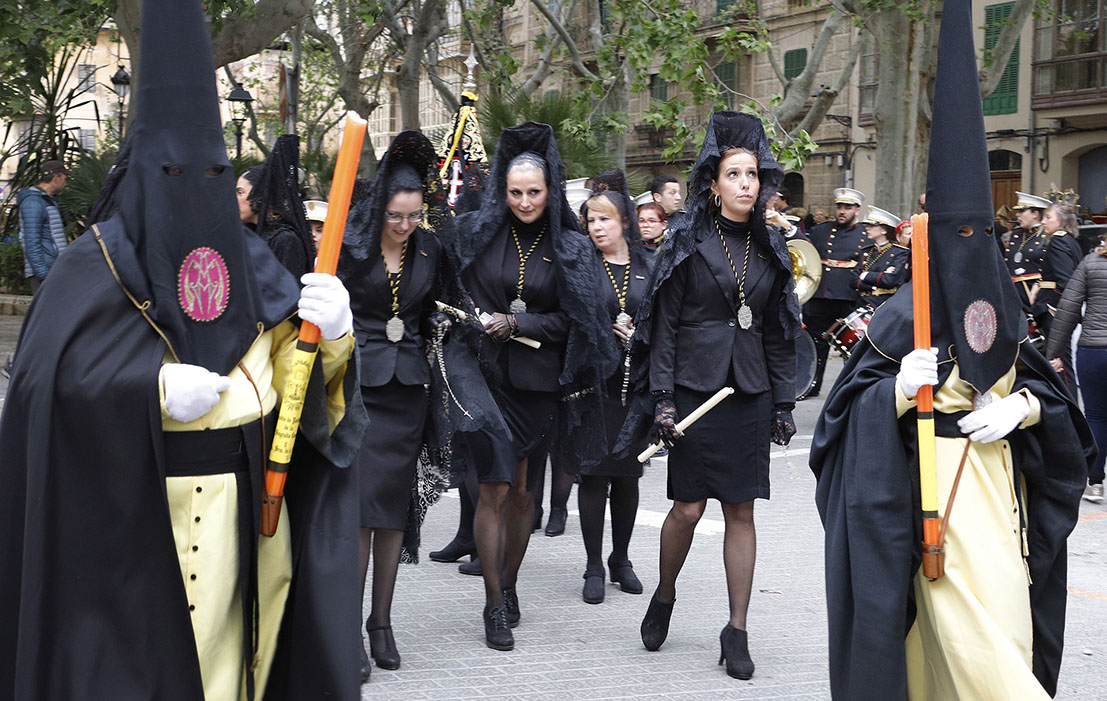
Manolas during the procession of Holy Friday in Palma. The Manolas represent the mourning women who mourn death and celebrate the resurrection of Christ during the processions of Holy Week in Spain. They follow the procession Christ dressed in dark and wearing traditional Spanish mantilla attire since centuries. Clara Margais/DPA
Alice, Andrea and Magda during the Holy Friday in Palma. Three decades ago the women were forbidden to dress as Capirote (penitent) and their only way of participating was Manola, then Manola's dressing tradition began to decline, however in the last few years some young women are once again signing up to this tradition. Clara Margais/DPA
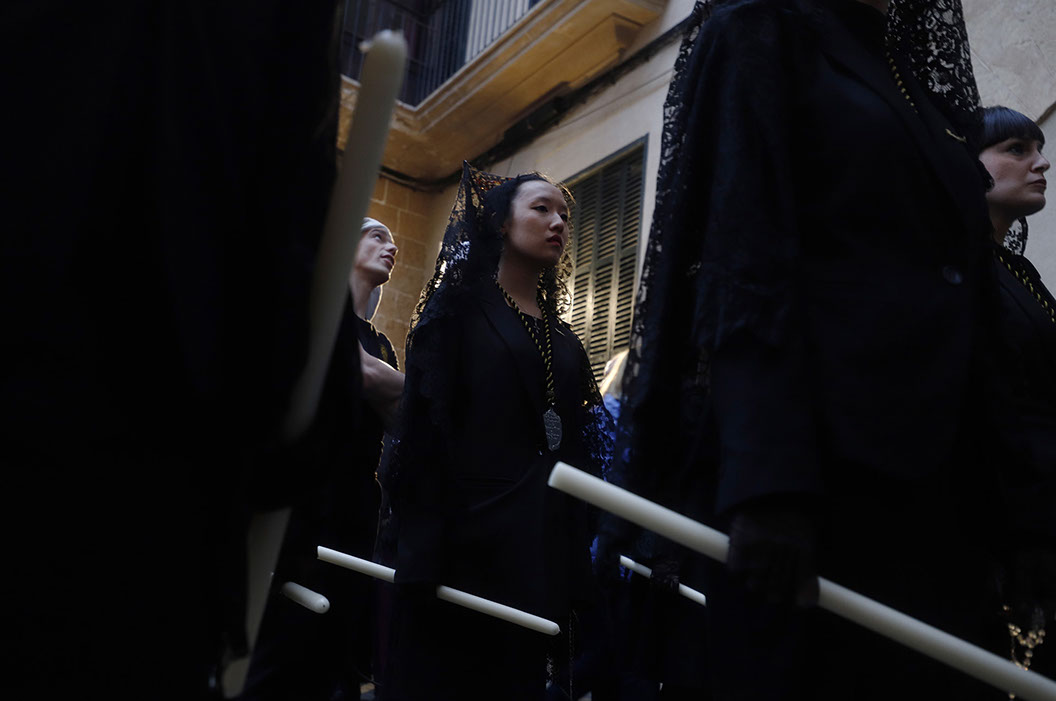
Lucia (C) walks during the procession of Holy Friday in Palma. The Manolas represent the mourning women who mourn death and celebrate the resurrection of Christ during the processions of Holy Week in Spain. They follow the procession Christ dressed in dark and wearing traditional Spanish mantilla attire since centuries. Clara Margais/DPA
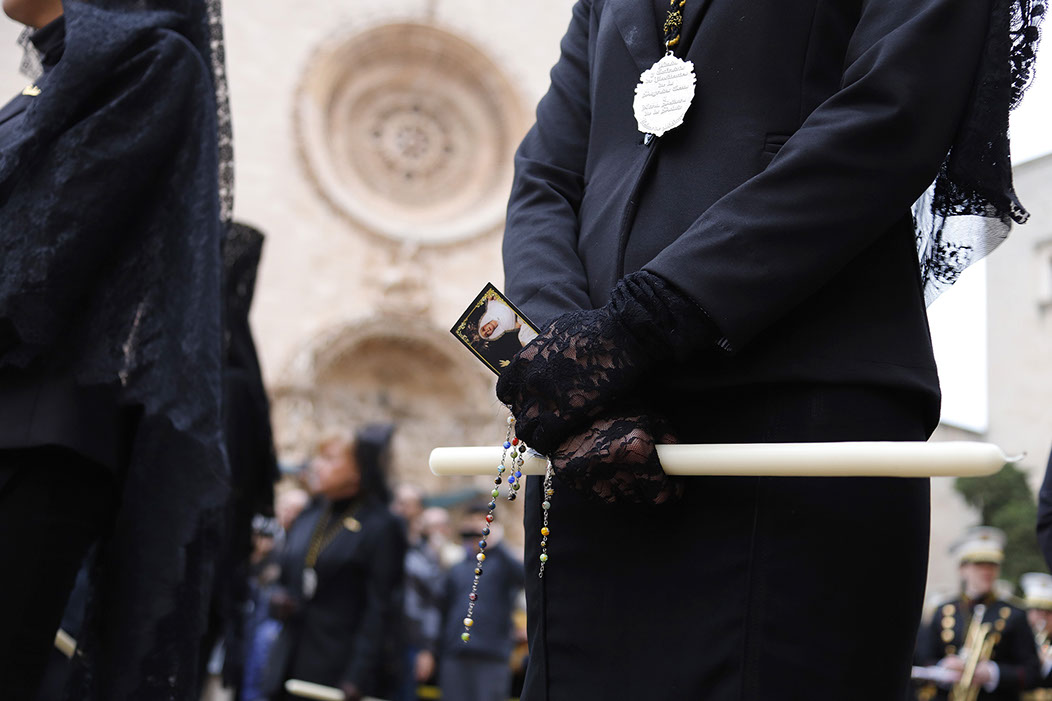
The Manolas represent the mourning women who mourn death and celebrate the resurrection of Christ during the processions of Holy Week in Spain. They follow the procession Christ dressed in dark and wearing traditional Spanish mantilla attire and religious accessories since centuries. Clara Margais/DPA
Lucia (19) is the youngest of the group and it is the second time she goes to the procession dressed as Manola. Three decades ago the women were forbidden to dress as Capirote (penitent) and their only way of participating was Manola, then Manola's dressing tradition began to decline, however in the last few years some young women are once again signing up to this tradition. Clara Margais/DPA
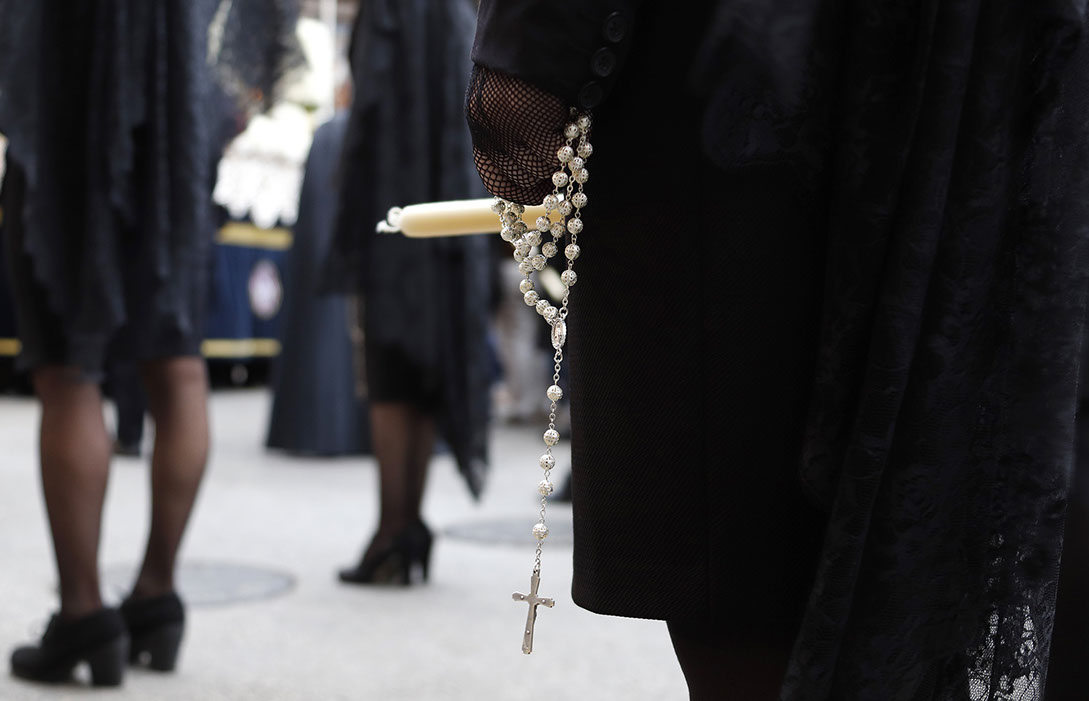
The Manolas represent the mourning women who mourn death and celebrate the resurrection of Christ during the processions of Holy Week in Spain. They follow the procession Christ dressed in dark and wearing traditional Spanish mantilla attire and religious accessories since centuries. Clara Margais/DPA
Manolas Magda (C) and Andrea (L) before the procession of Holy Friday in Palma. Three decades ago the women were forbidden to dress as Capirote (penitent) and their only way of participating was Manola, then Manola's dressing tradition began to decline, however in the last few years some young women are once again signing up to this tradition. Clara Margais/DPA
Lucia (19) is the youngest of the group and it is the second time she goes to the procession dressed as Manola. Three decades ago the women were forbidden to dress as Capirote (penitent) and their only way of participating was Manola, then Manola's dressing tradition began to decline, however in the last few years some young women are once again signing up to this tradition. Clara Margais/DPA